

Once the individual has reached this phase of the cycle, the brain has made significant changes in response to the substance. It can no longer produce the same mental or physical effects and, as a result, the individual further increases the dosage and the frequency of use to bring about the feelings that they are seeking out. It is at this point of the addiction cycle that the brain has made a physiological change, usually involving a decrease in brain chemical production or a loss of brain chemical receptors.
- Addiction doesn’t just affect the individual using substances – its impacts ripple outward, touching every aspect of a person’s life and the lives of those around them.
- She panicked, afraid that a disruption in care would trigger debilitating withdrawal symptoms like vomiting, fever, cramps, joint pain and tremors.
- Therefore, teens may be especially prone to risky behaviors like taking drugs.
Opioid settlement money and a call to action
This phenomenon is common with many prescription medications and substances according to Merck manual research on Tolerance and Resistance To Drugs by Shalini S. Lynch, in 2022. This entails consuming larger amounts of the drug than initially intended or using the drug for extended periods. Experimentation typically involves a ‘trial’ phase, but abuse transcends this by making the drug a regular or necessary part of one’s routine. Speak with your healthcare provider to determine which treatment plan is best for your individual situation and stage of addiction. In the first stage of addiction, initial use, an individual takes the substance for the very first time. This first substance use may be all it takes for someone to develop an addiction.

What Are The Symptoms Of Active Drug Addiction?
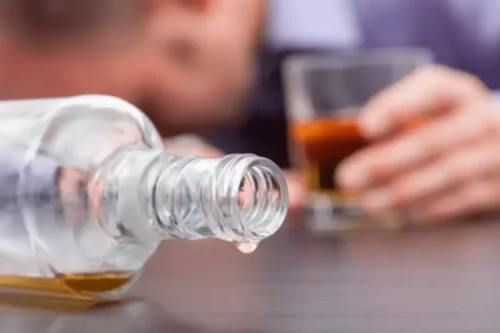
Drug abuse without physical tolerance can be treated through partial hospitalization programs that use evidence-based therapies since medical withdrawal symptoms are usually not present in the abuse category of the addiction cycle. As the neurophysiology of alcohol and drugs of abuse in the brain are explored in more detail, an important area of study has emerged concerning sex differences in how drugs and ethanol interact with various brain systems to produce behavioral effects. These findings highlight sex-specific differences in VTA endocannabinoid https://ecosoberhouse.com/ activity that may regulate responses to aversive intrinsic properties to cannabinoids and contribute to differences in cannabinoid consumption. McCall et al. (2013) utilized a mouse model of selective deletion of the neuropeptide Y 2 (Y2) receptor in GABA neurons to examine sex differences in the role of Y2 receptor on anxiety and drinking. Females displayed greater basal anxiety, higher levels of ethanol consumption, and faster fear conditioning than males, and Y2 knockout mice exhibited enhanced depressive-like behavior in the forced swim test.
- The stages of the cycle of addiction can be matched up with some of the stages of the model of behavior change and its relationship to recovery.
- Drugs of abuse hijack this delicate system, often by mimicking or amplifying the effects of natural neurotransmitters.
- A dopamine hit brings about pleasure, and then is quickly followed by pain, or a come-down, in order to keep us motivated.
- At a certain point, the body or brain becomes dependent on having the substance to be able to function properly.
- Nevertheless, even these risk factors won’t necessarily lead to the high-risk individual developing a substance use disorder like addiction.
Research Assessment Requirements for Different Mental Health Careers
However, for most people struggling with addiction, there are stages of substance use that lead to the person becoming addicted. Learning to navigate life without the crutch of substances is a critical part of recovery. This involves developing healthy coping mechanisms for stress, anxiety, and other triggers that might have previously led to substance use.
- While some may go through all the steps to recovery in a relatively short period, some people may find themselves stuck on a single stage, such as the contemplation stage, for years.
- The results of this study suggest that auxiliary subunits of BK channels may represent a novel therapeutic target for the treatment of alcoholism.
- The first stage of addiction includes a person’s first time using a substance.
- One of the first signs of drug abuse is engaging in risky behaviors while under the influence.
- Depending on many genetic and environmental factors, some first-time users may not continue the cycle of addiction.
Effects of Substance Use on Brain Circuits and Functions
Depression, anxiety, and mood disorders are common companions to addiction, creating a vicious cycle where individuals may use substances to self-medicate, only to worsen their mental health in the long run. As individuals continue to drink alcohol cycle of addiction over time, progressive changes may occur in the structure and function of their brains. These changes can compromise brain function and drive the transition from controlled, occasional use to chronic misuse, which can be difficult to control.

Conceptual framework, definitions, and animal models
What Are the Factors That Influence Addiction?
- In general, experiencing 2-3 of these symptoms is considered a mild substance use disorder.
- Each phase is mutually exclusive and requires reinforcement of intentions to scale through.
- Compulsivity helps to explain why many people with addiction experience relapses after attempting to abstain from or reduce use.
- Active drug addiction is a prevalent issue in the U.S., with more than 21 million people aged 12 or older actively addicted to drug use in 2020, according to the National Survey on Drug Use and Health (NSDUH).